Hidden Lake Surf Resort took home the win at Surf Park Summit 2026’s Surf Park Sharks competition, earning industry recognition for its vision for a surf-anchored destination in Buckeye, Arizona.
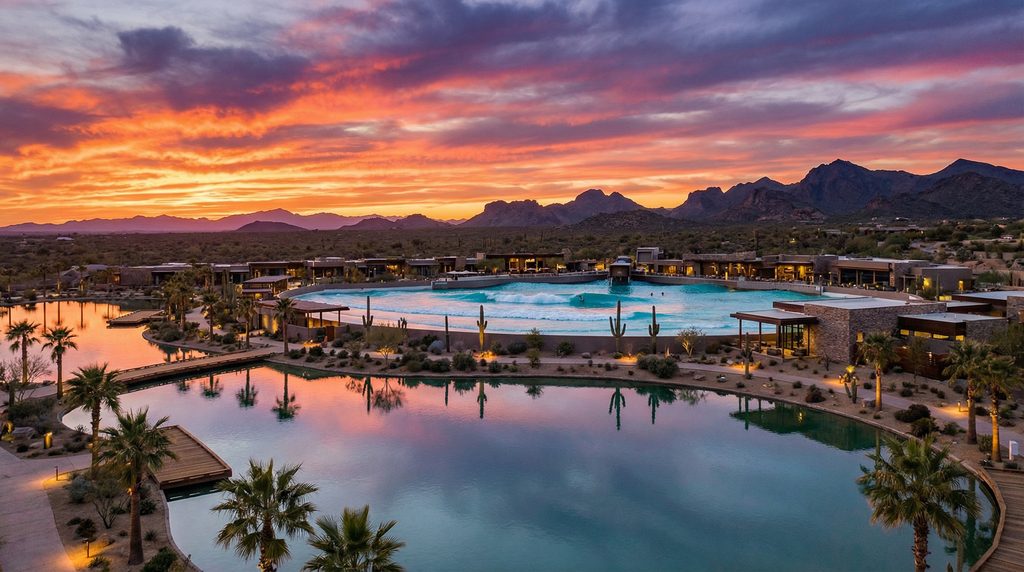
The 120-acre development will combine a surf lagoon with outdoor recreation, hospitality, and other amenities.
Surf Park Central spoke with developer Drew Boyles about the project’s market advantages, the challenges of securing water, and how the competition win validates the team’s work as it prepares for the next stages of development.
Surf Park Central: Tell me about Hidden Lake and what people can expect.
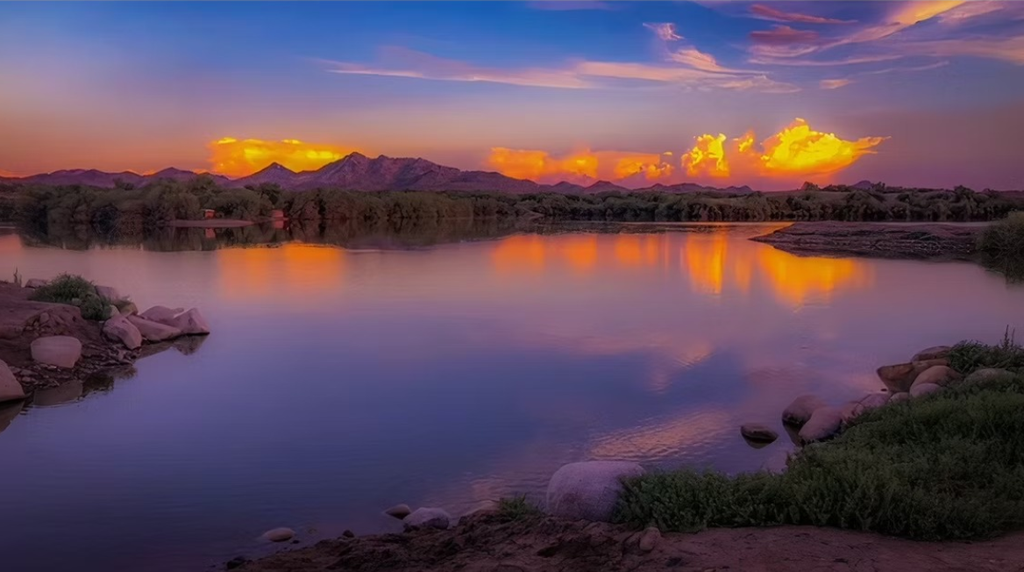
Drew Boyles: Hidden Lake is a surf-anchored destination we’re developing in Buckeye, Arizona, on the west side of the Phoenix metro area. The property covers 120 acres and is centered around an existing 60-acre private lake. For many years, the previous owners used the lake and its surroundings for fishing tournaments, barbecue cook-offs, corporate events, and other special events.
Our plan is to add a surf lagoon and create a broader destination where people can spend time on the water, enjoy the outdoors, and connect with family and friends. The land and its setting are unusual because a large lake in the desert is hard to come by, especially with so much open space. Adjacent to the property is federal Bureau of Land Management land, which will remain undeveloped and provide access to a range of outdoor activities.
Surf Park Central: What makes Hidden Lake unique compared with other parks?
Drew Boyles: Jeff and I, along with our team, have been working in this industry for 10 years. It’s unusual to find a site that checks so many boxes: the approvals are in place, and there are opportunities to add amenities beyond surfing. That helps mitigate risk, creates different revenue opportunities, encourages longer stays, and increases visitors’ overall spending.
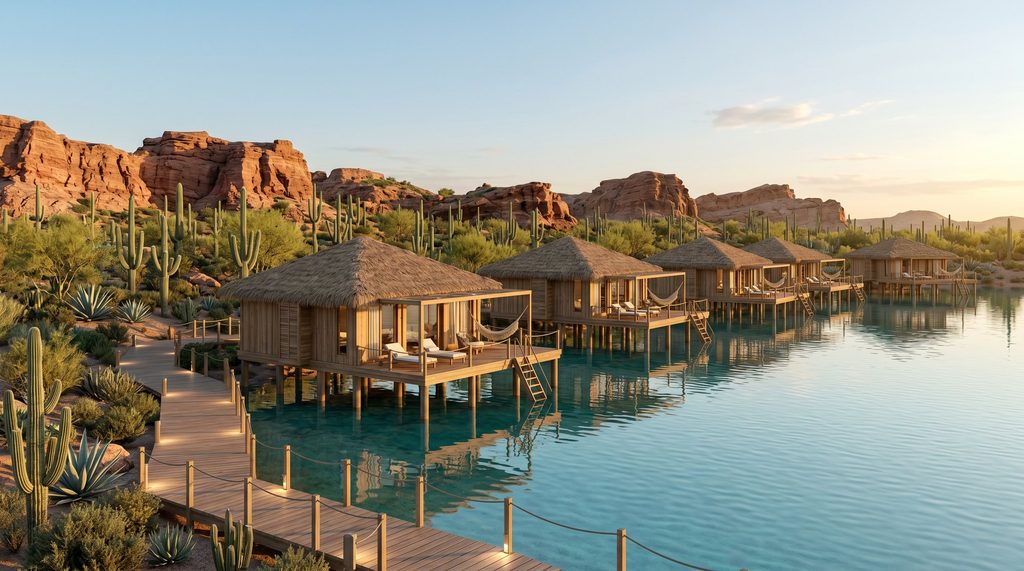
This site offers many possibilities, including residential development, commercial uses, a hotel, outdoor hospitality, the surf park, and a music venue. The lake will support outdoor hospitality, including RV and glamping options, as well as a hotel.
You also need a strong population base. We’re in the Phoenix metropolitan area, with 5 million people within roughly an hour of the site. Having so many potential amenities already approved, securing the water—which took us more than two years of work with different government agencies—and being close to a large population makes the site unusual compared with other parks.
Surf Park Central: At Surf Park Summit, we often focus on the challenges that come with each surf park. What are some of the biggest challenges you’ve faced so far in developing this project?
Drew Boyles: It’s really about coordinating all the different pieces, as with any project. Securing the water was critical. That’s a major issue around the country, especially in the West and in Arizona. We had to get creative with our approach, gain the city’s support early on, and then secure support from a couple of other government agencies.
We also had to drill a well on-site. We’ve done that, and it was an expensive undertaking, but one that was well worth it.
Now we’re working through the other aspects of the project. The city has already approved our planned area development, and we have a site plan. As we talk with investors and capital partners, we’re refining some aspects of the plan, so we have some flexibility. The next phase will be getting through site-plan review and then completing the construction drawings.
We’re very close on that front. Our presentation for the 2026 Surf Park Sharks competition focused on feasibility, land position, development risk, technology, and fundability. We feel very good about the team we’ve assembled and what we’ve achieved so far.
Surf Park Central: Looking at it from the other side, was there anything that came more easily than you expected? As more parks have opened, has that made things like securing financing easier for your project?
Drew Boyles: I spent years in Los Angeles County. I originally had a Surf Lakes license for the county, and that’s how I got into this industry. I’m also an elected official and have many connections in Southern California. Even with those connections, finding a site there was very challenging.
When I found this site in Arizona, it was almost unbelievable that so much of the entitlement work had already been completed. Given my experience and how difficult it can be to build in other parts of the country—particularly Southern California—it was a huge advantage. Having a site that had already been through much of that process reduced a lot of the risk.
During due diligence, we worked through geotechnical and civil engineering, built a relationship with the city, and developed an understanding of the water rights. Once we had done that work, closing on the land was a clear decision because the approvals were in place. We also had time to get the project’s programming right, work on financing, and plan the infrastructure.
We’ve secured the water, too. We’re also working through how the city can help, because the project will bring significant incremental tax revenue to the city and region.
Surf Park Central: Let’s jump ahead. Once you open, how do you plan to attract visitors from around the country or even the world? You also have a large local audience. How will you build that community?
Drew Boyles: The Phoenix market is unique in another way: in addition to its dense population, it gets more than 30 million visitors a year. That’s a huge opportunity for us. We need to find ways to bring people to the West Valley. We’re about 45 minutes from Sky Harbor International Airport.
The West Valley is growing exponentially and is consistently one of the fastest-growing regions in the country. Even so, we need repeat visitors. We can’t rely only on weekend traffic or people traveling to Phoenix. We really need to build a local base.
We’ve been studying different surf parks, and I’ve visited many of them to see how they help people progress from beginner level and beyond. I firmly believe these projects will succeed by developing a local base of surfers who have never surfed before or who have felt intimidated by it. We want to get those people in the water and help them overcome those hurdles so they feel comfortable.
We’ll also focus on creating an inviting beach club. As we’ve seen at other well-designed parks, that means ideally including some sand, along with really good food and beverages that connect seamlessly with the surf experience.
Surf Park Central: The project is still in its early stages. After finding success at Surf Park Summit’s Surf Park Sharks competition, what advice do you have for up-and-coming developers in the surf park space?
Drew Boyles: You hear a lot in this industry about how difficult these projects are. Anyone who’s been through the process knows they require a lot of patience and persistence.
I think it’s important to have a clear vision for what you’re trying to accomplish while maintaining some flexibility. For example, our site plan includes a 300-key hotel, RV and glamping options, a music venue, a surf park, and the lake, with all these different activities. But we also need to be flexible. The right capital partner might say that the entitlement for a 300-key hotel is great, but they’d prefer to start with a 100-key hotel.
So, have a clear vision, but remain flexible. You also need to be thorough with due diligence, as if you were buying the property for yourself. I’ve put more than $8 million of my own money into this project, so it was critical to me to resolve as many uncertainties as possible, just as an investor would. Ask yourself: If this were your money, would you buy this site?
The wave technology is important, but I think that decision can come later, as long as there isn’t anything fundamentally different about the technology.
Ultimately, do your due diligence thoroughly, have a solid vision, and maintain some flexibility. Winning Surf Park Sharks was meaningful validation, especially given the credibility of the judges. It was an important milestone, but we still have a lot of work ahead of us.
Surf Park Central: Is there anything else you’d like to share about Hidden Lake or the industry in general?
Drew Boyles: As I mentioned, I spent 10 years looking for the right property, and several opportunities fell through. Those setbacks were gut-wrenching at the time. But then I found this property, with an existing lake in the desert, in a growing region, and with the potential to create something people can enjoy in many different ways.
We’re working through the development carefully, and we’re excited about what Hidden Lake will become.







You must be logged in to post a comment Login