Creating a surf-anchored destination involves many moving parts, from land acquisition to permitting and development. Even with all of that completed, before opening its doors to the public, a surf park needs insurance. It’s a make-or-break decision that could literally sink a multi-million dollar project if done incorrectly.
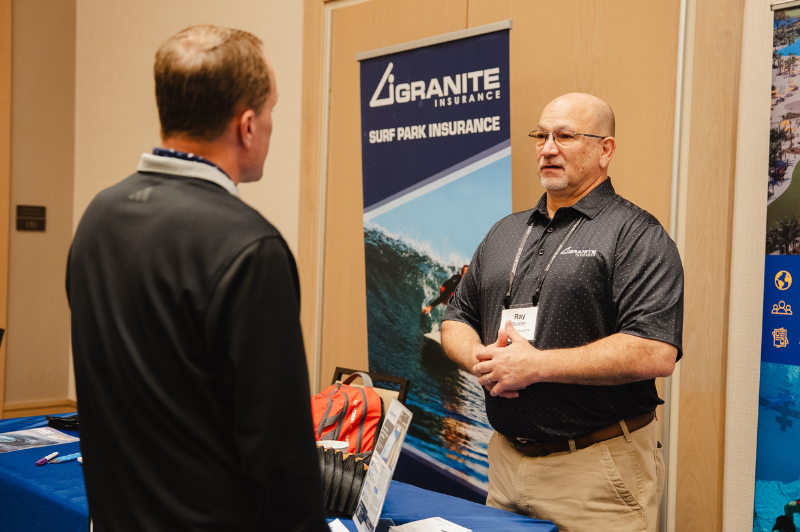
Recently, Granite Insurance, an insurance broker focused on outdoor recreation and action sports, shared its insights on how to successfully determine the insurance needs and demands that surf park developers and operators face.
Granite CEO Cameron Annas spoke to surf park industry veterans and newcomers during a webinar to give them the tools needed to successfully insure and protect their surf-anchored real estate projects.
He says surf park insurance isn’t just a cost, it’s a strategic discipline involving storytelling, safety design, and early planning.
Here are five key takeaways from that conversation.
Insurance is one of the biggest make-or-break variables
Annas says insurance can determine if a surf park is financially viable. High costs could easily derail a project. While some parks will pay about 6% to 7% of their revenue toward insurance, others could be footing bills of around 20%. Operators on the higher end could run into trouble. However, this cost is controllable if operators approach things correctly.
“There’s a 254% cost variance whenever it comes to insurance, which is massive,” explained Annas.

Surf parks are misunderstood by insurers
The devastatingly high prices are due to the immaturity of the industry, and insurers simply don’t understand what a surf park really is.
Many carriers are treating surf lagoons like water parks. Due to the limited history of these parks, there are fewer than five organizations even considering insuring them.
Insurance brokers like Granite focus their efforts on educating carriers to better understand what surf-anchored developments offer. In addition, Granite Insurance has created America’s first Surf Park Insurance Program, which is exclusive to Granite.
Your insurance “story” is critical
“You’ve got to treat your insurance program almost like an investor pitch deck,” said Annas.
This will help keep the price down. A weak submission could result in higher premiums or outright rejection.
Insurers want to know about facility layout, guest flow, safety systems, training programs, and operational procedures. There are also lots of other factors, like alcohol policies and other details that underwriters can perceive as risk.
The bottom line is that the way you present risk directly impacts cost and insurability, so be prepared.
Safety documentation is non-negotiable
The biggest pricing driver is a surf park’s safety and risk management setup.
These must-have items include:
- Lifeguard training systems
- Safety manuals + training logs
- Maintenance records, especially for the wave tech
- Water quality management procedures
“This is the most critical box, not a single one of these things do you want to skip,” said Annas. “If you don’t have one of these, you may get declined for insurance.”
Without each of these items, operators could see a spike in premiums or get declined for coverage altogether.
Start early or you’ll pay for it later
Operators need to think about insurance early on when developing a project. Coming to the table just months before opening can leave a surf park desperate and force a destination to take on high costs simply to open on time.
“You’re already acting from a reactive position rather than a proactive position,” said Annas.
Having insurance lined up early will avoid higher premiums and stop developers from scrambling to meet standards set by an insurance company. Being prepared early allows more leverage for surf park operators and will ultimately lead to a stronger bottom line.











You must be logged in to post a comment Login